For cultural discovery
Chinese or Taiwanese gongfu cha offers the richest immersion.
Four countries, four ways of serving tea. This guide helps you recognise each tradition and pick the one that suits you.
Korean tea houses serve fruit and grain teas such as yuja-cha, omija-cha and boricha; Japanese ones revolve around matcha and chanoyu; Chinese chaguan around gongfu cha; Taiwanese tea houses are known for high-mountain oolongs and invented bubble tea in Taichung in the 1980s. In Paris, Korean and Japanese spots cluster around Opéra and rue Sainte-Anne, while the Taiwanese experience can be found at the Palais-Royal.
Searching for a “Korean tea house” in Paris soon reveals that Asia has several distinct tea cultures.
Here are the teas, gestures, sweets and atmospheres of each, plus a comparison table and tips to choose.
The dawon is the traditional Korean tea house, calm and simple; the darye ceremony favours naturalness.
Twentieth-century dabang and today’s hanok cafés in Seoul carry the tradition forward.
Green teas from Boseong and Jeju, yuja-cha, omija-cha, boricha and daechu-cha.
Yakgwa, tteok, bingsu and hotteok.
Quiet wood and paper, or bright minimalist cafés: in both, you come to stay.
Few true dawon exist; start exploring around Opéra and rue Sainte-Anne.
Chanoyu, codified by Sen no Rikyū, takes place in the chashitsu, where matcha is whisked with a bamboo chasen.
Sencha, gyokuro and hojicha are everyday teas; wagashi soften matcha’s bitterness.
Discover the codes of a Japanese tea house in Paris and read about the benefits of matcha.
China is the birthplace of tea; the chaguan is traditionally a lively, social place.
Gongfu cha uses many leaves and short, repeated infusions: Longjing, Tieguanyin, Da Hong Pao, Pu’er.
See our page on the Chinese tea house in Paris.
Heir to Chinese gongfu cha, Taiwan is famous for high-mountain oolongs such as Ali Shan and Dong Ding.
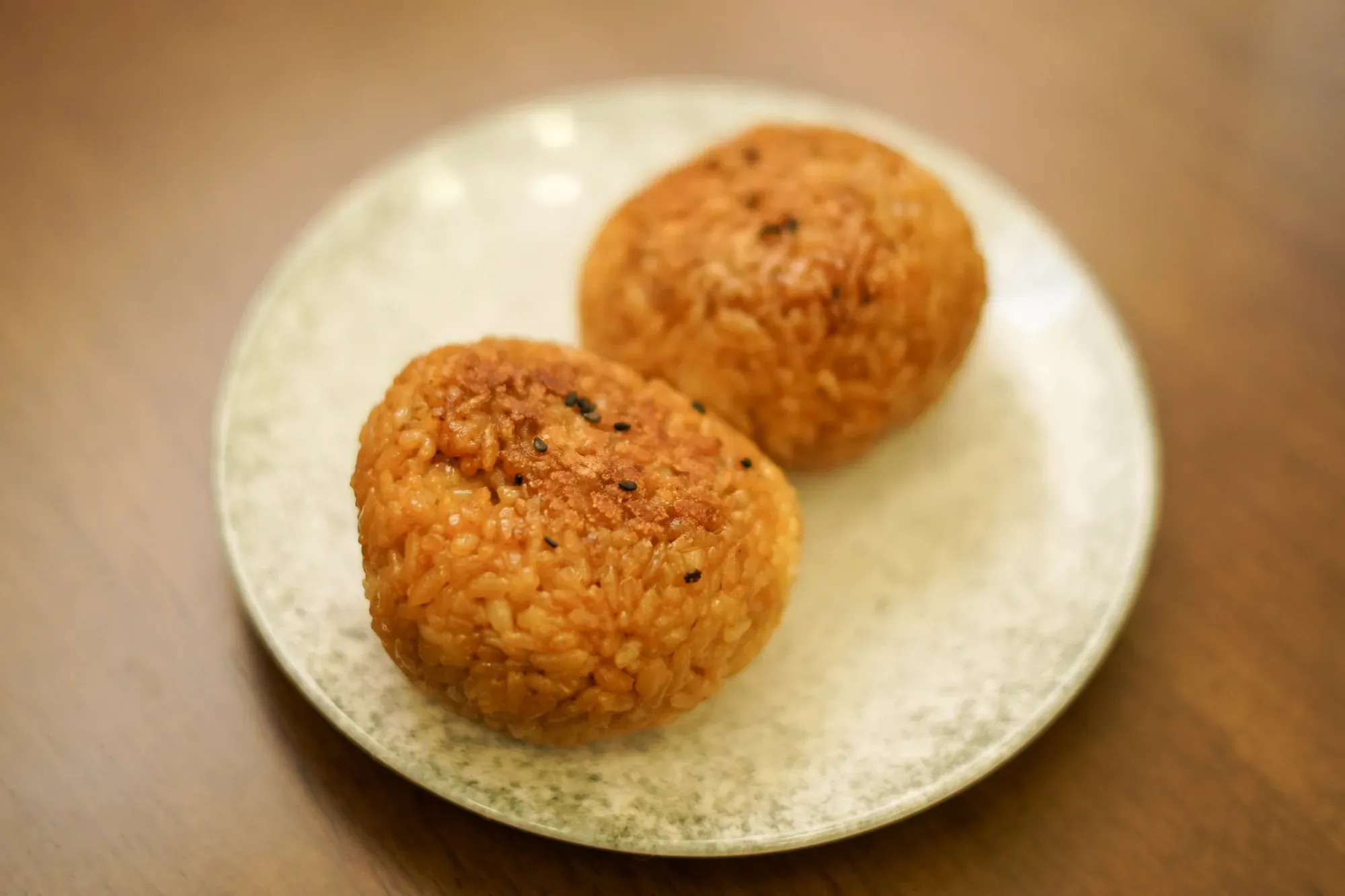
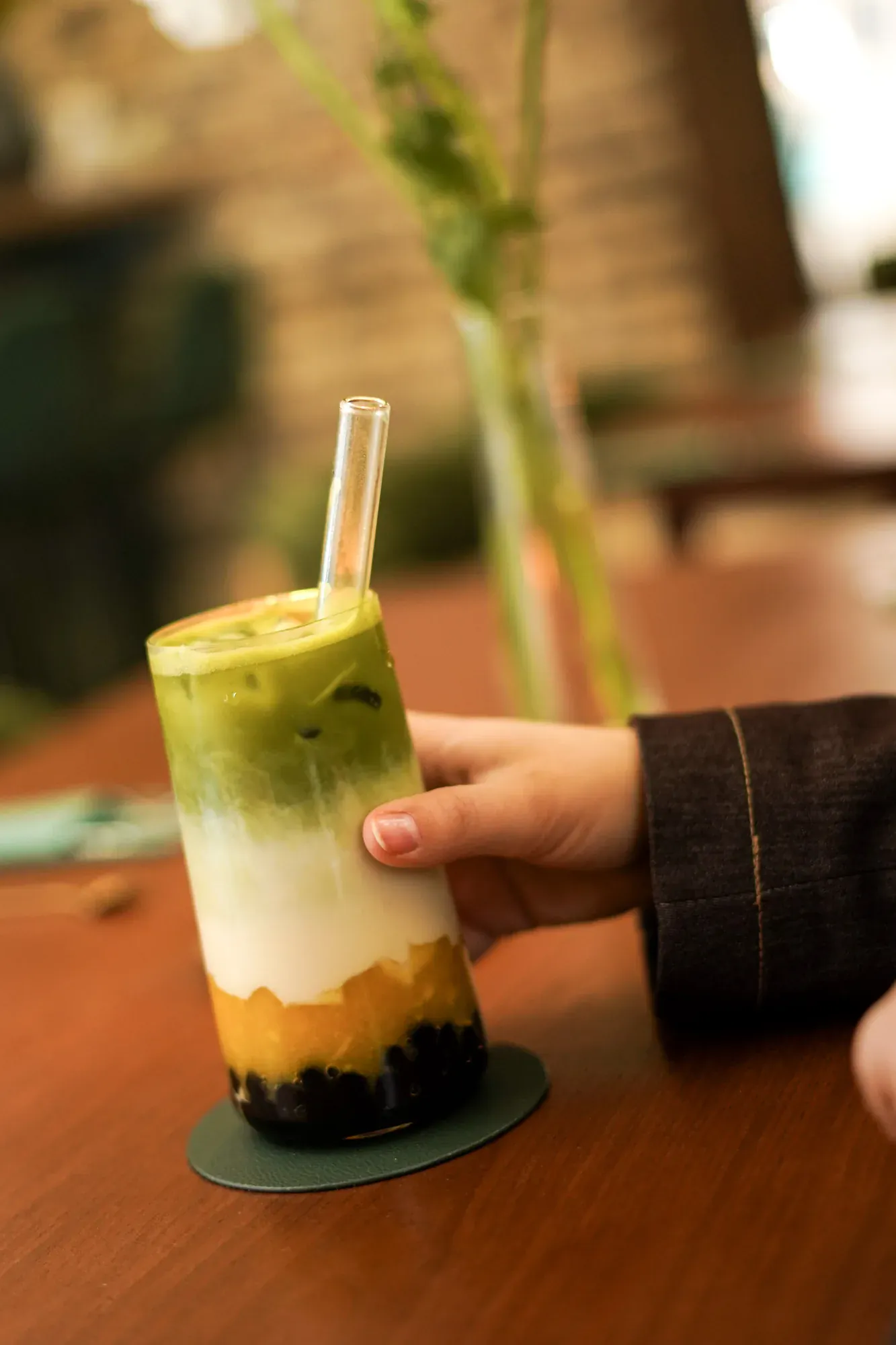
Bubble tea was born in Taichung in the 1980s; Taiwanese pastries use black sesame, taro and pineapple.
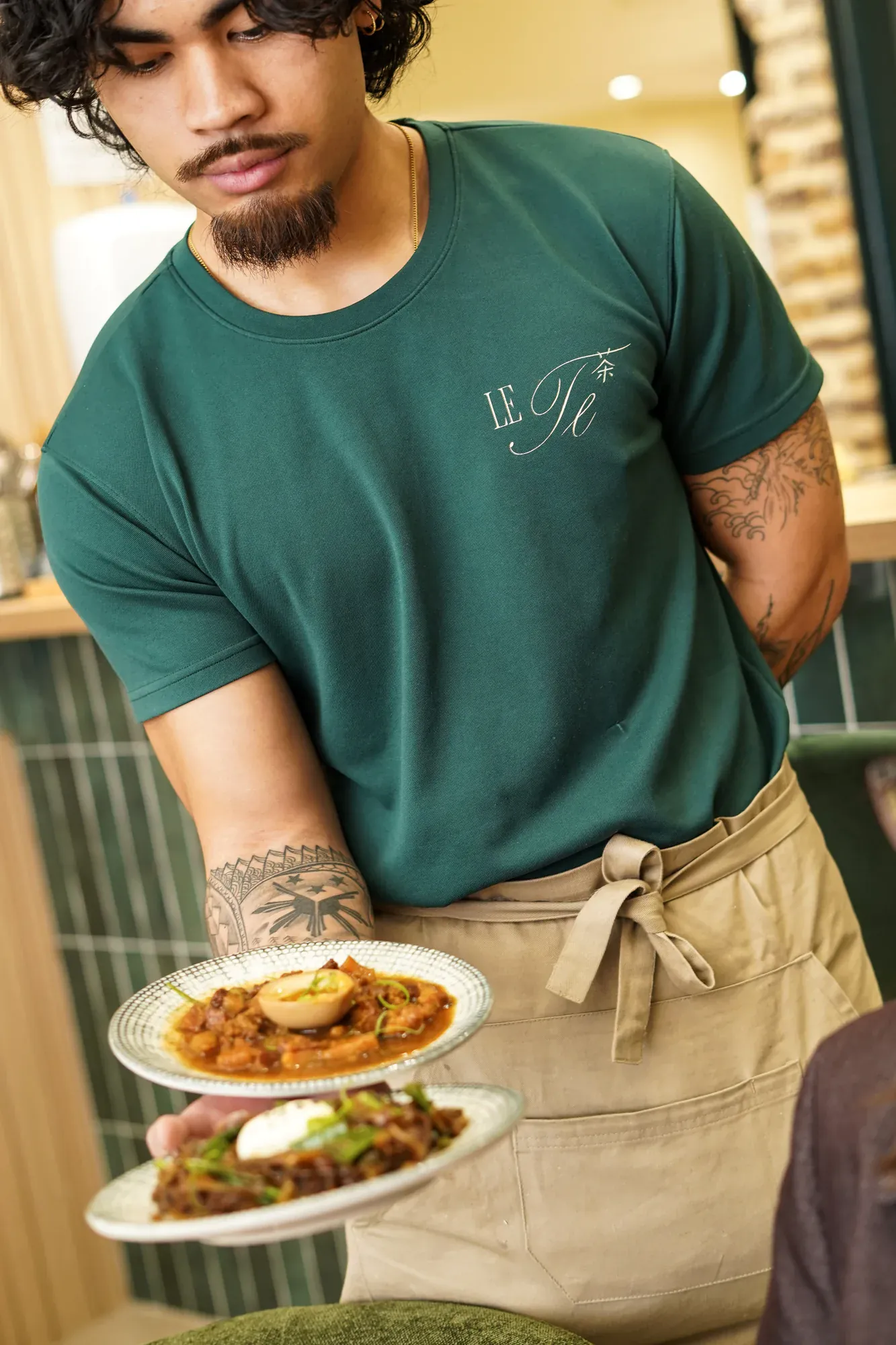
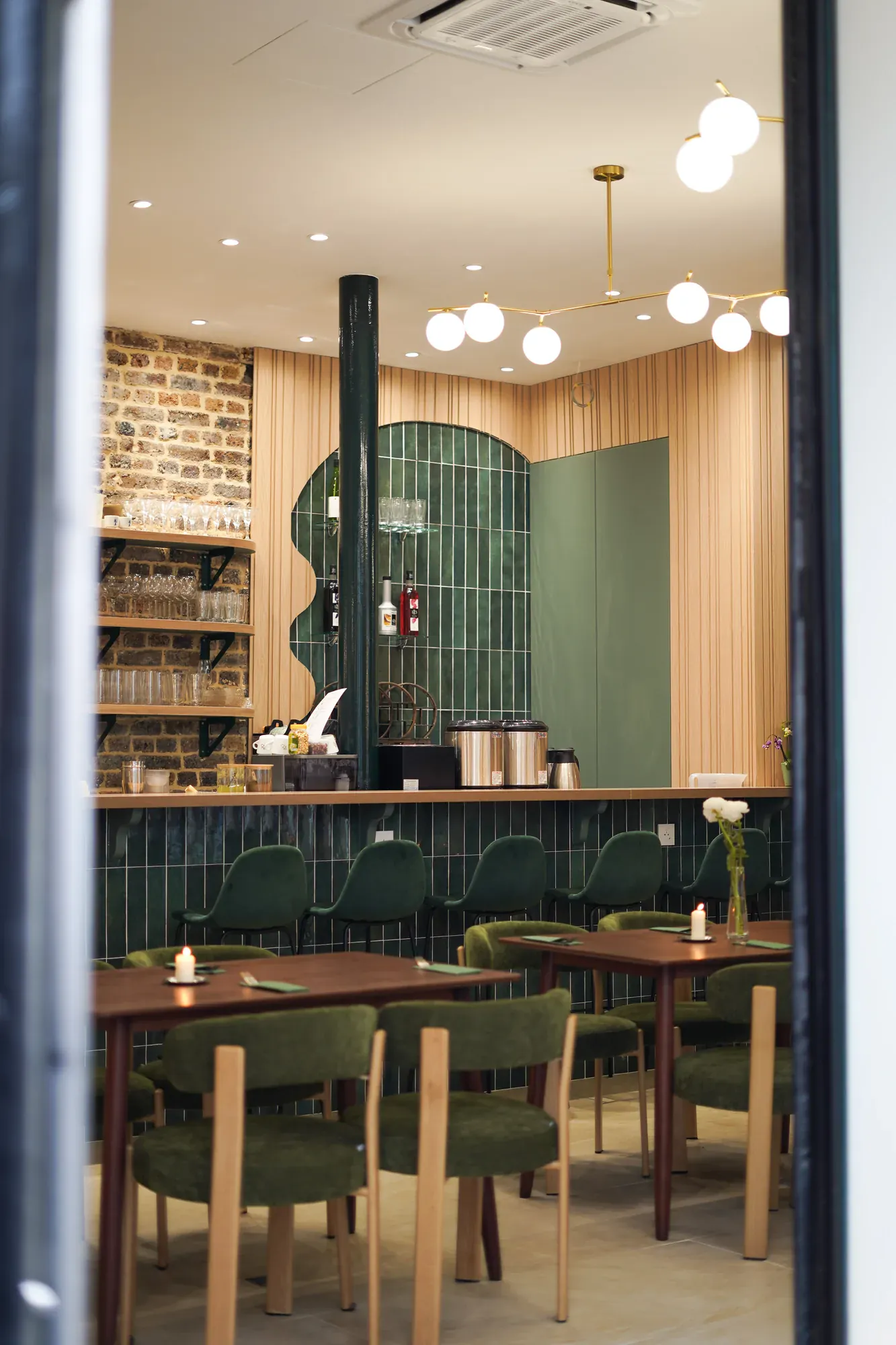
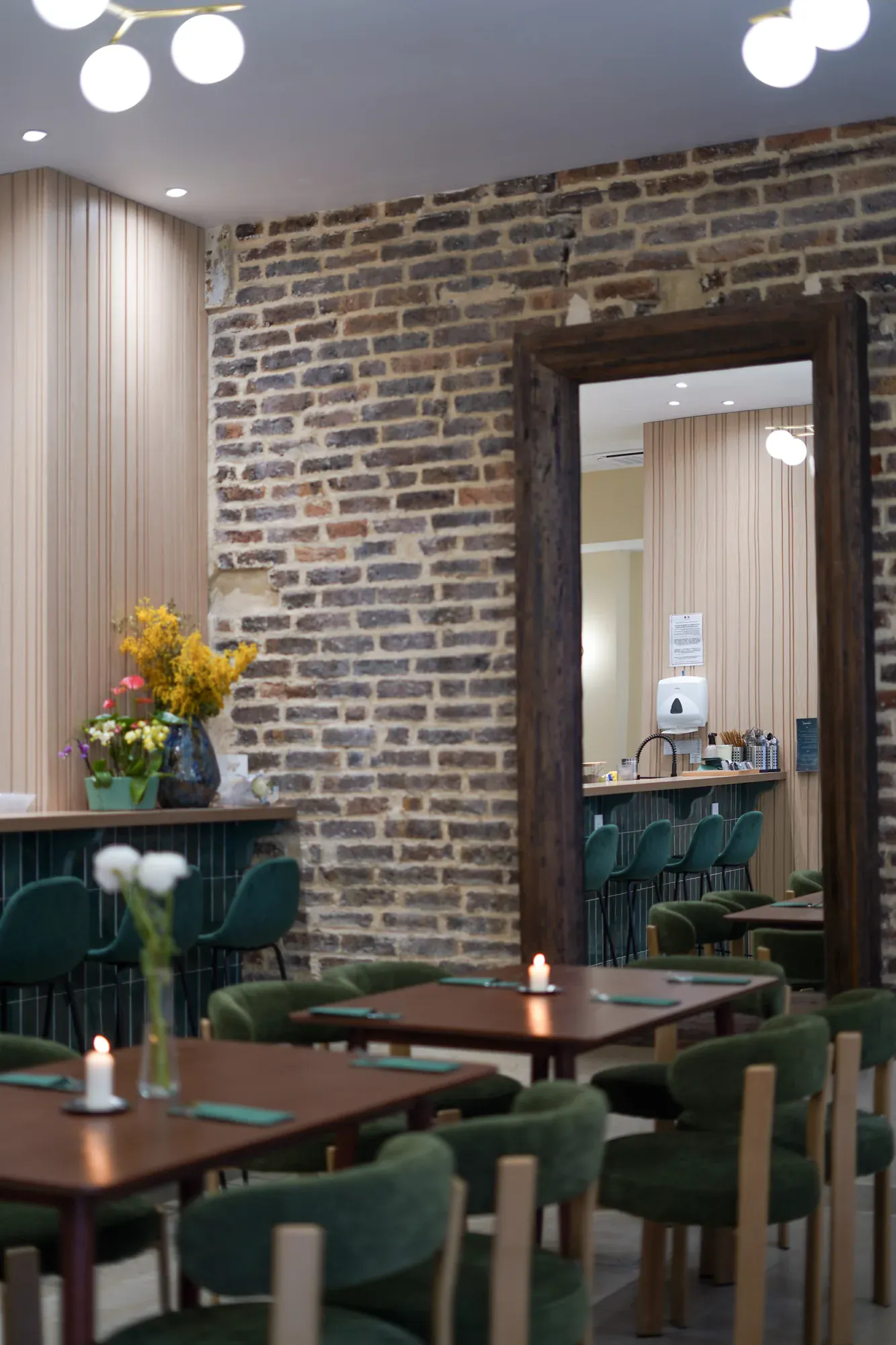
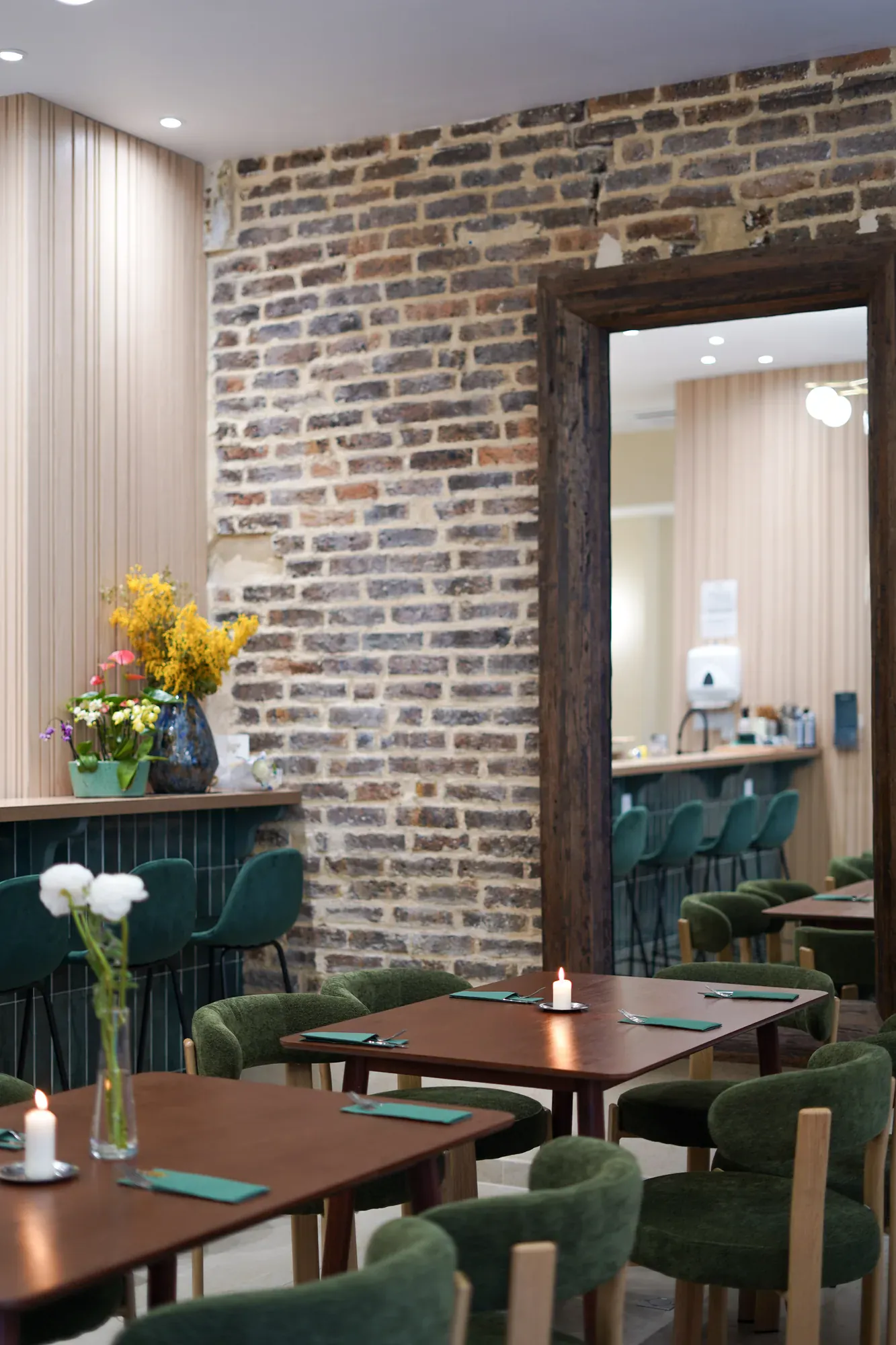
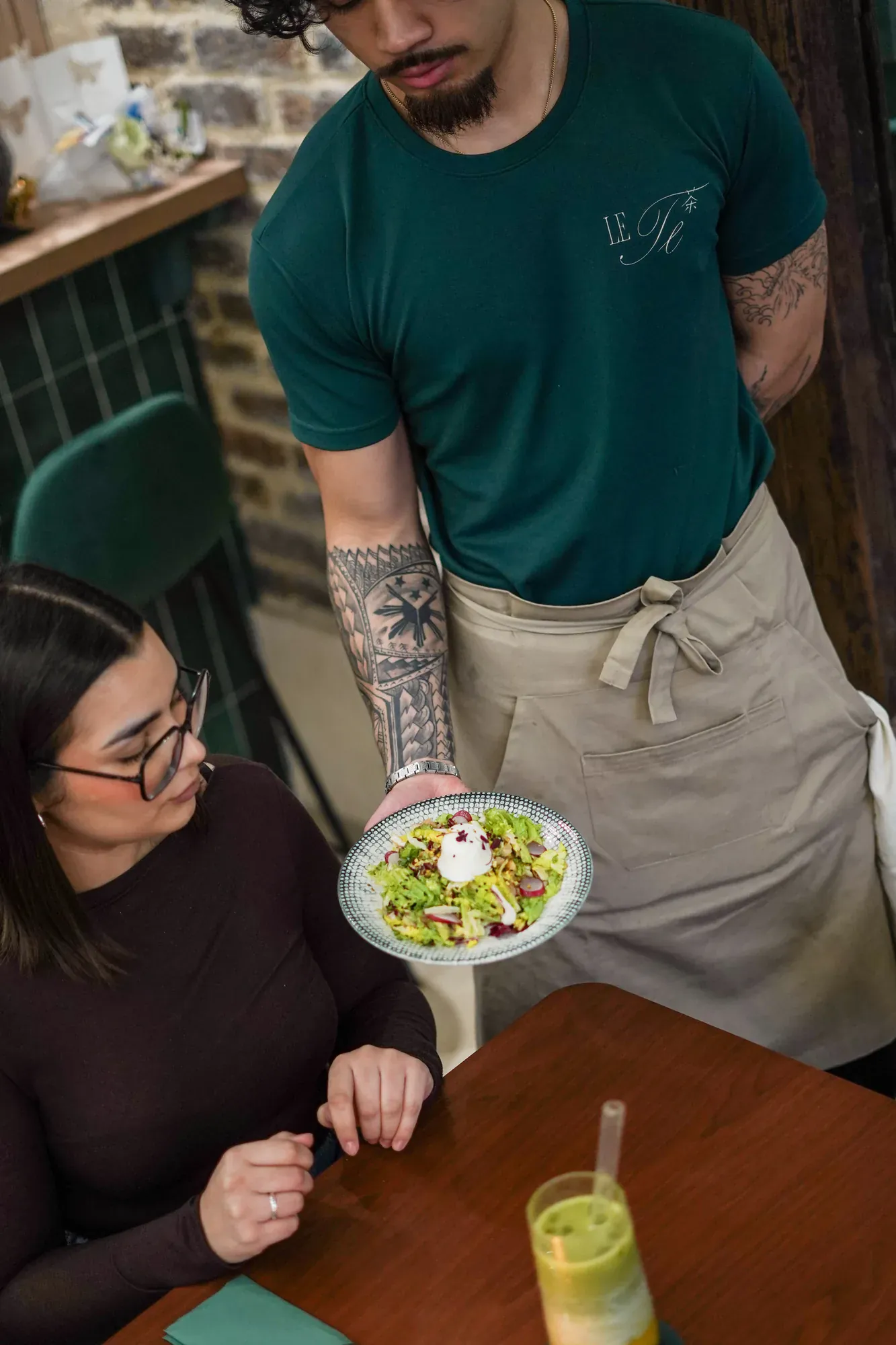
At the Palais-Royal, Le Tê, founded by Taiwan-born Hsuan-Hsuan Chang, brings this culture to Paris. It is Taiwanese, not Korean.
Visit our Taiwanese tea house in Paris page, our oolong tea guide and our Taiwanese pastries in Paris.
General trends: each house reinterprets its heritage.
| Criterion | Korea | Japan | China | Taiwan |
|---|---|---|---|---|
| Signature tea | Yuja-cha, Boseong green tea | Matcha, sencha | Longjing, Pu’er | High-mountain oolong, bubble tea |
| Preparation | Simple infusion | Bamboo whisk | Gongfu cha | Gongfu cha, shaker |
| Signature sweet | Yakgwa, bingsu | Wagashi | Dried fruit, dim sum | Black sesame, taro pastries |
| Atmosphere | Hushed or design | Contemplative | Convivial | Warm |
| Best moment | Winter comfort | Focus | With friends | Long tea time or to go |
Start from what you want to experience. See also our article on which bubble tea to choose.
Chinese or Taiwanese gongfu cha offers the richest immersion.
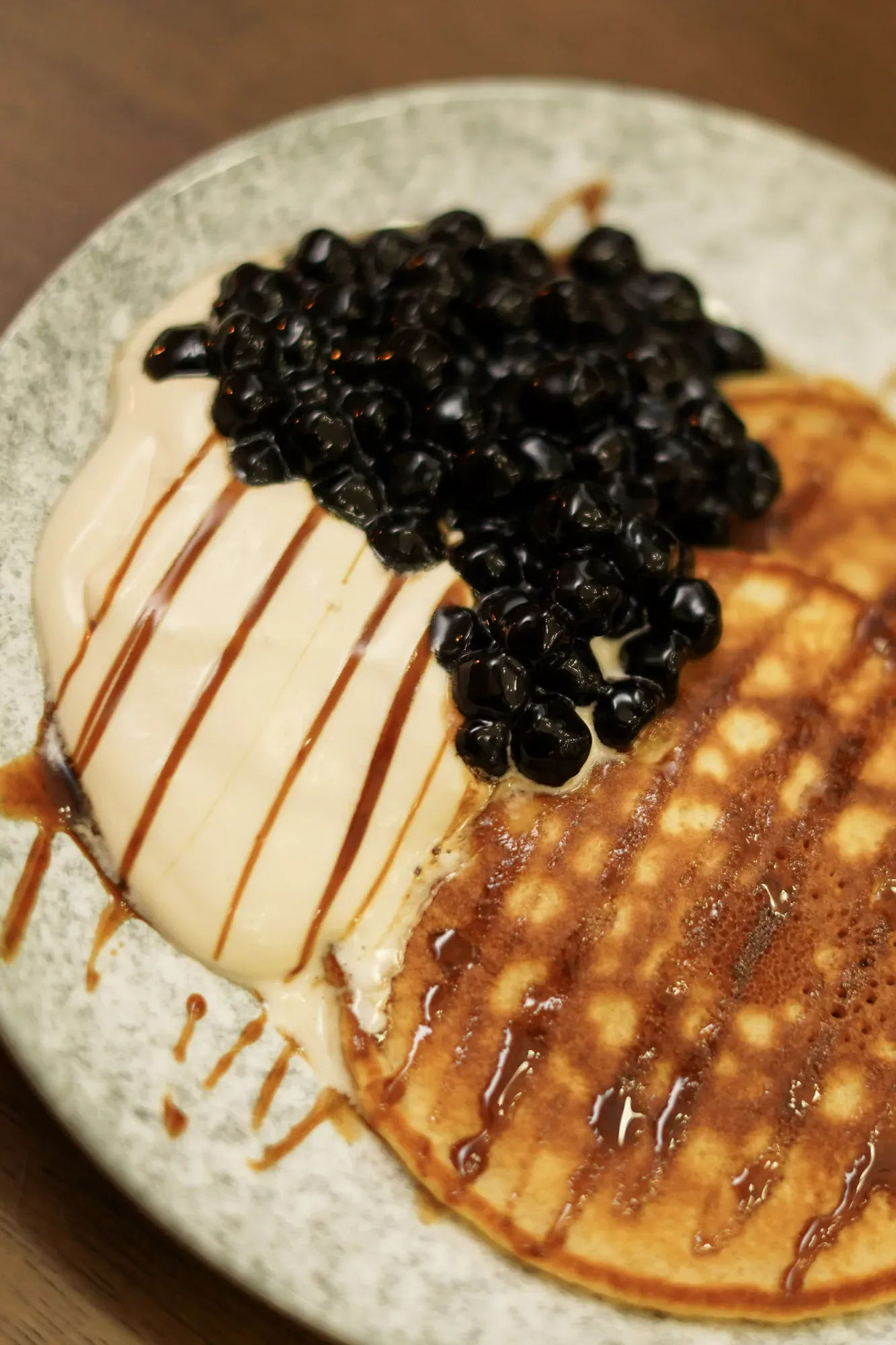
Korean bingsu and Taiwanese taro or sesame pastries.
A dawon or a Taiwanese tea house mid-afternoon.
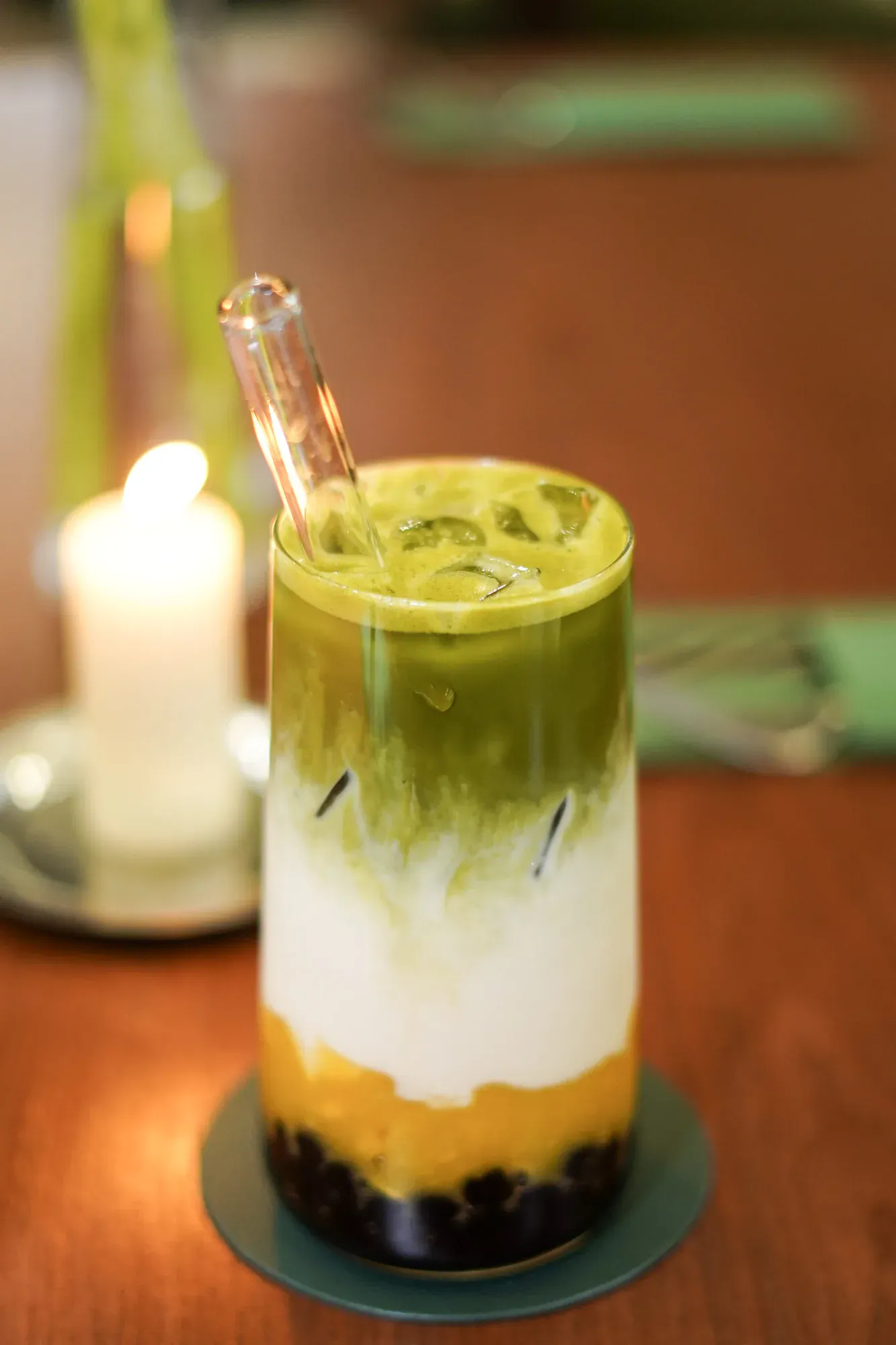
Taiwanese bubble tea, or an iced yuja-cha in summer.
Boseong or Jeju green teas, and traditional drinks like yuja-cha, omija-cha, boricha and daechu-cha.
Korean green tea is softer and Korean culture favours fruit and grain infusions; Japanese tea centres on matcha and the codified chanoyu.
Taiwanese: it was born in Taichung in the 1980s, though it is very popular in Korea.
A Korean drink made by diluting a yuja citrus preserve in hot water.
Le Tê, 41 bis rue de Montpensier, 1st arrondissement, under the Palais-Royal arcades: high-mountain oolongs, bubble tea and Taiwanese pastries.
Came here looking for a Korean tea house in Paris? Continue with Le Tê’s Taiwanese experience in the 1st arrondissement.
Discover the Taiwanese tea houseRelated pages