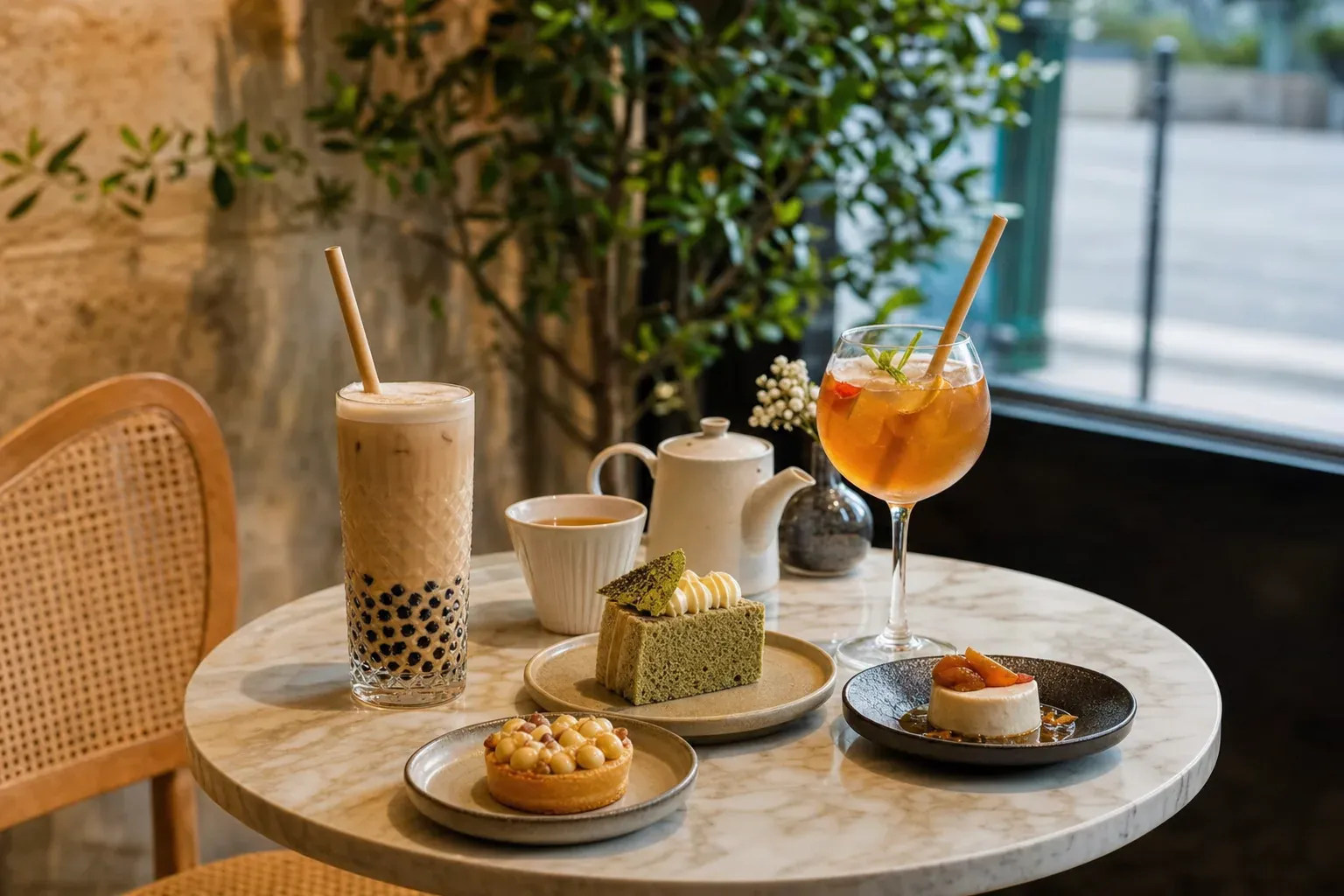
Practical guide · Diets · Paris
Gluten-free tea house in Paris: a proper treat without gluten
The good news: Taiwanese and Asian pastry, largely built on rice and tapioca, makes a gluten-free treat easy. Here is what to order and what to watch for.
The good news: Taiwanese and Asian pastry, largely built on rice and tapioca, makes a gluten-free treat easy. Here is what to order and what to watch for.
In short
Many Taiwanese treats are naturally gluten-free because they rely on glutinous rice flour (mochi), cassava starch (tapioca pearls), taro, fruit purées and jellies — no wheat. In a tea house you can build a real treat: a plain tea, a tapioca-pearl bubble tea, a mochi. Watch out for soy sauce, wheat biscuits and waffles, toppings and cross-contamination. Ask two or three clear questions at the counter.
Gluten is a set of proteins found in wheat, barley and rye. For coeliacs, even tiny amounts trigger an autoimmune reaction; others have non-coeliac sensitivity; some simply choose to cut back.
These three cases call for different vigilance — strict avoidance for coeliacs, including cross-contamination. This guide stays practical and reassuring, never alarmist.
The key is to think by ingredient, not by category: a treat built on rice or cassava is often gluten-free by nature.
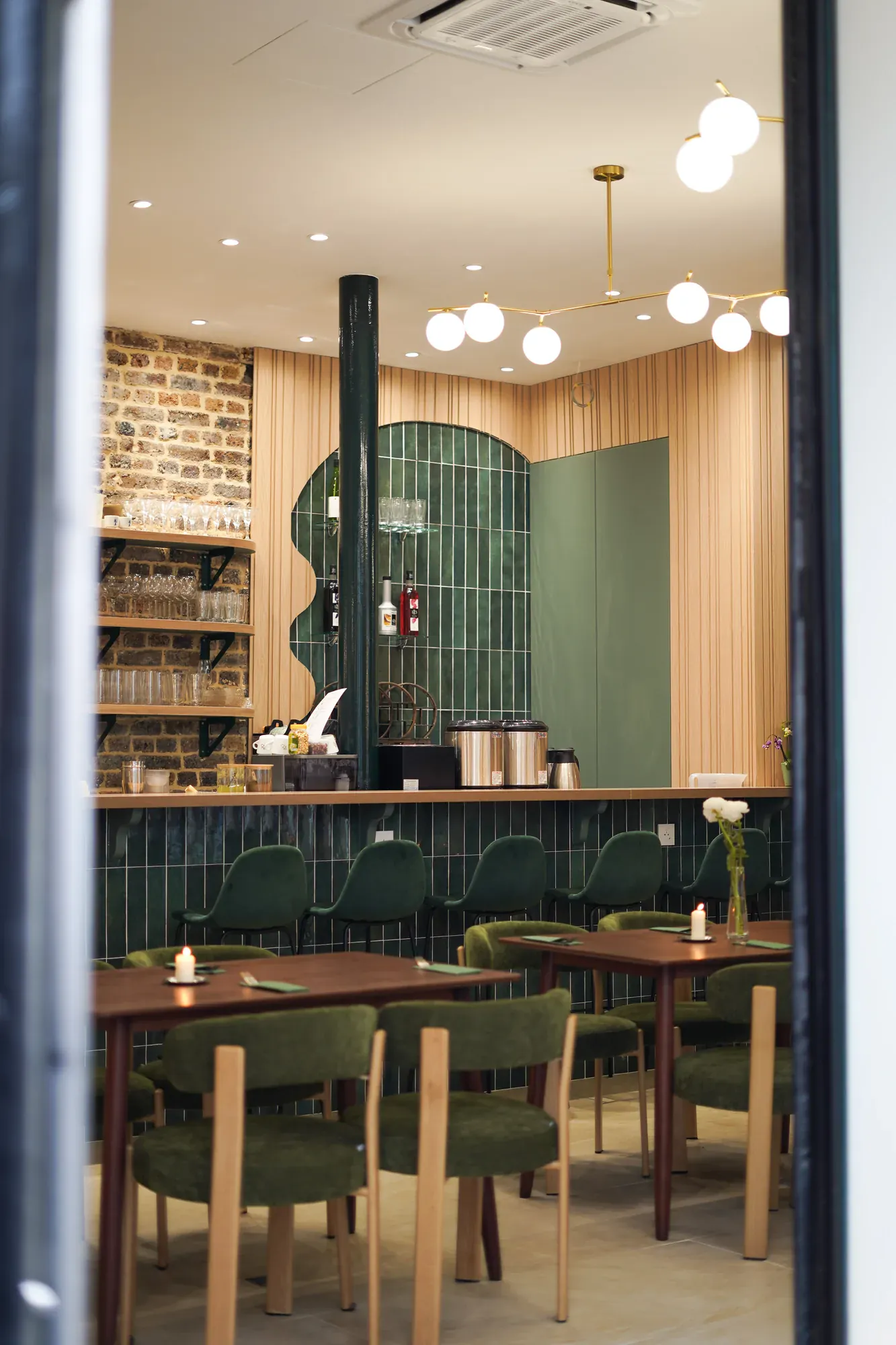
Three pitfalls come up again and again in Asian cooking.
Classic soy sauce is brewed with wheat and contains gluten. Ask for tamari (wheat-free) when a dish uses it.
Waffles, pancakes, cookies and sponge cakes sit beside rice treats on the same menu. Looks say nothing about the recipe.
For coeliacs this is the real issue: shared utensils, surfaces or fryers can contaminate an otherwise gluten-free treat.
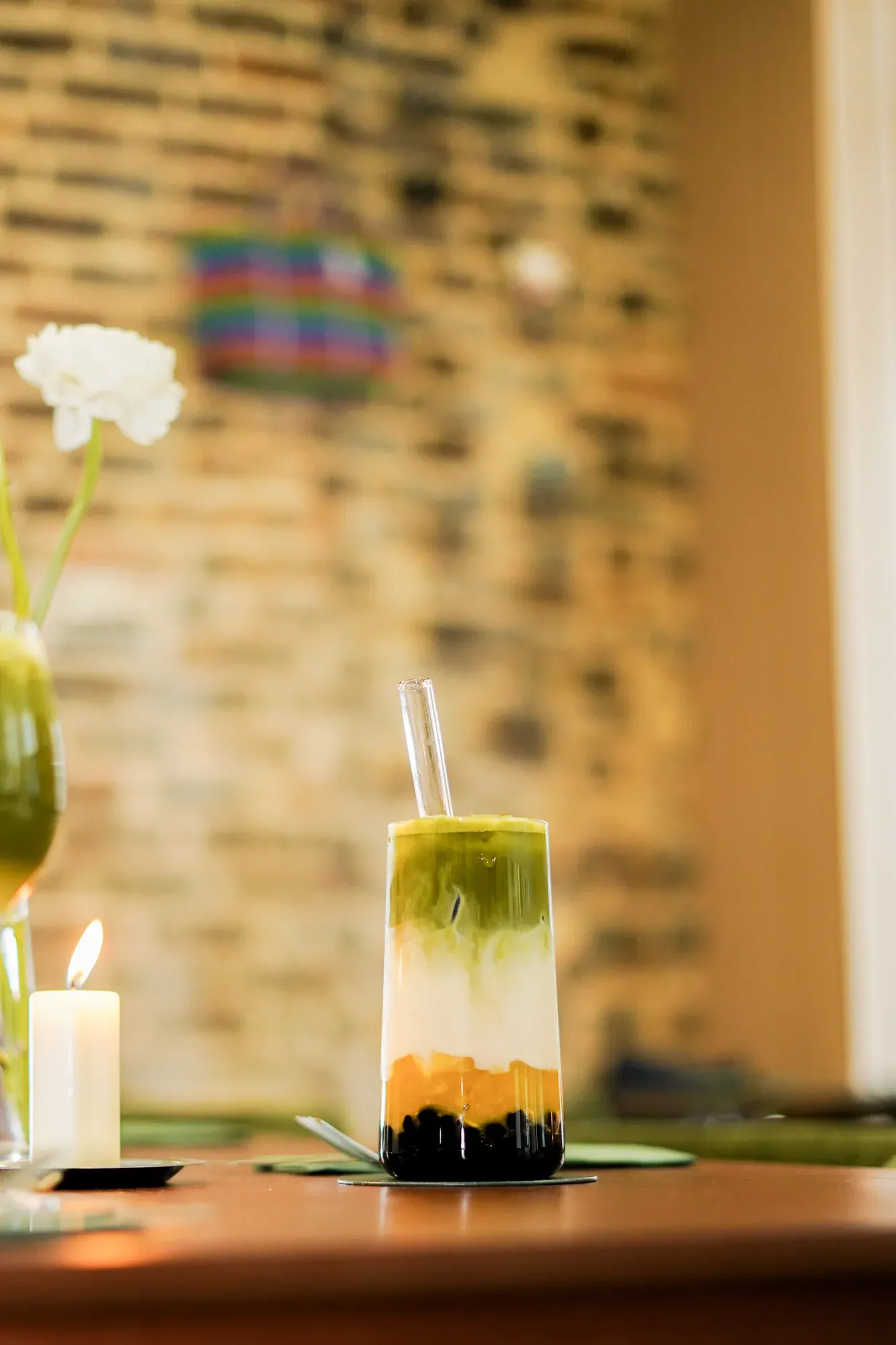
Western pastry is built on wheat flour. Taiwanese sweets are built on rice, cassava, taro, beans and fruit — so many are gluten-free by nature, not by adaptation.
Instead of hunting the one “special” option, you face a menu where rice treats are the rule. The prized bouncy texture comes from gluten-free starches.
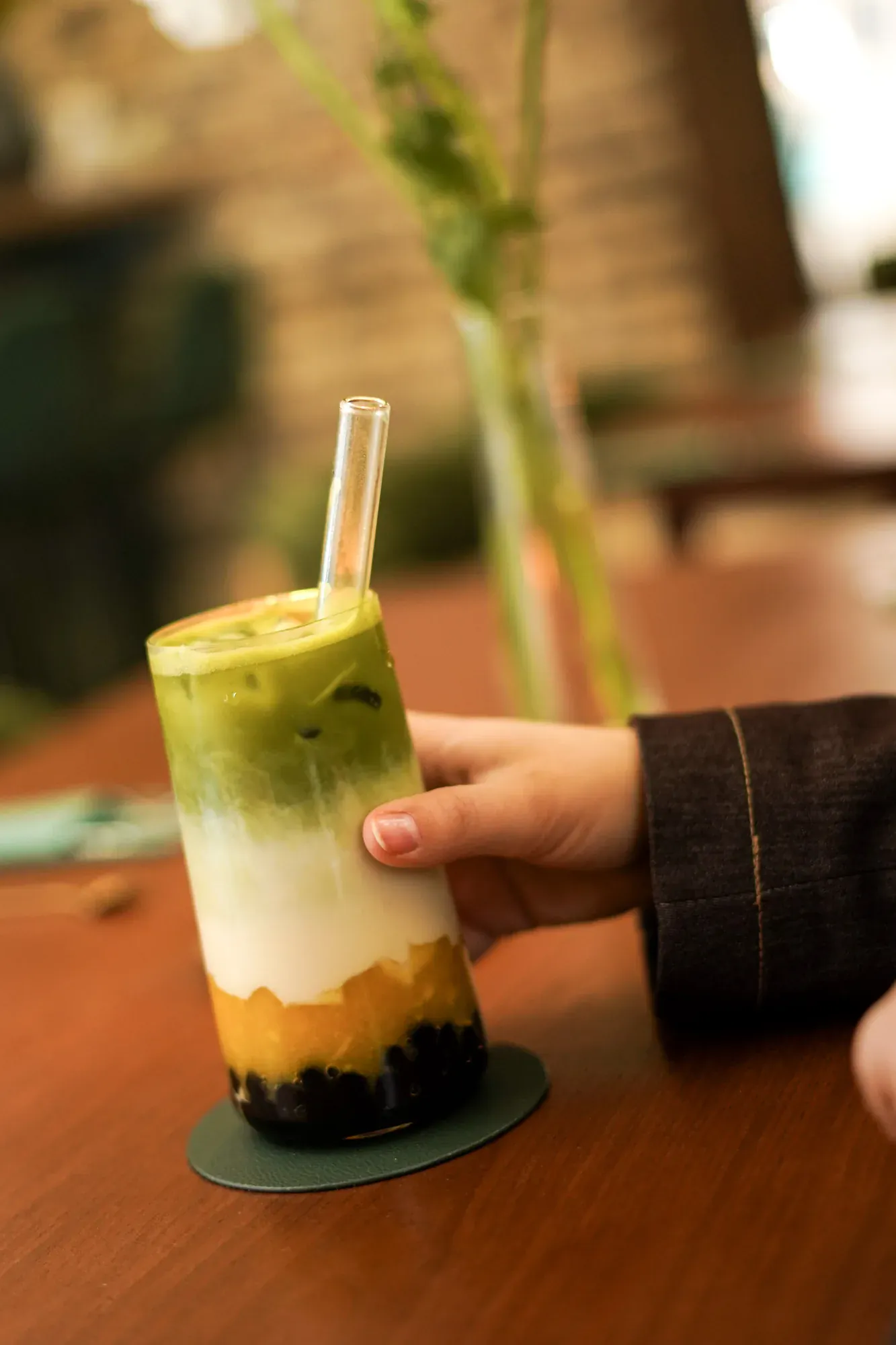
Mochi is glutinous rice pounded into a soft, elastic dough. “Glutinous” means the sticky texture, not gluten: rice contains no gluten, so a traditional mochi is gluten-free.
Watch the filling and finish, not the dough. For more on this treat, see our guide to mochi, covering its soft and ice versions.
Bubble tea pearls are made of tapioca — starch from the cassava root, unrelated to gluten grains. So tapioca pearls are naturally gluten-free.
Bubble tea fits a gluten-free treat: tea, milk or a plant base, tapioca pearls. Watch syrups and biscuit toppings. See also our sugar-free bubble tea in Paris, made to lighten the sweetness.
Beyond pearls, jellies, fruit purées and taro all rely on starches and plants — never wheat flour.
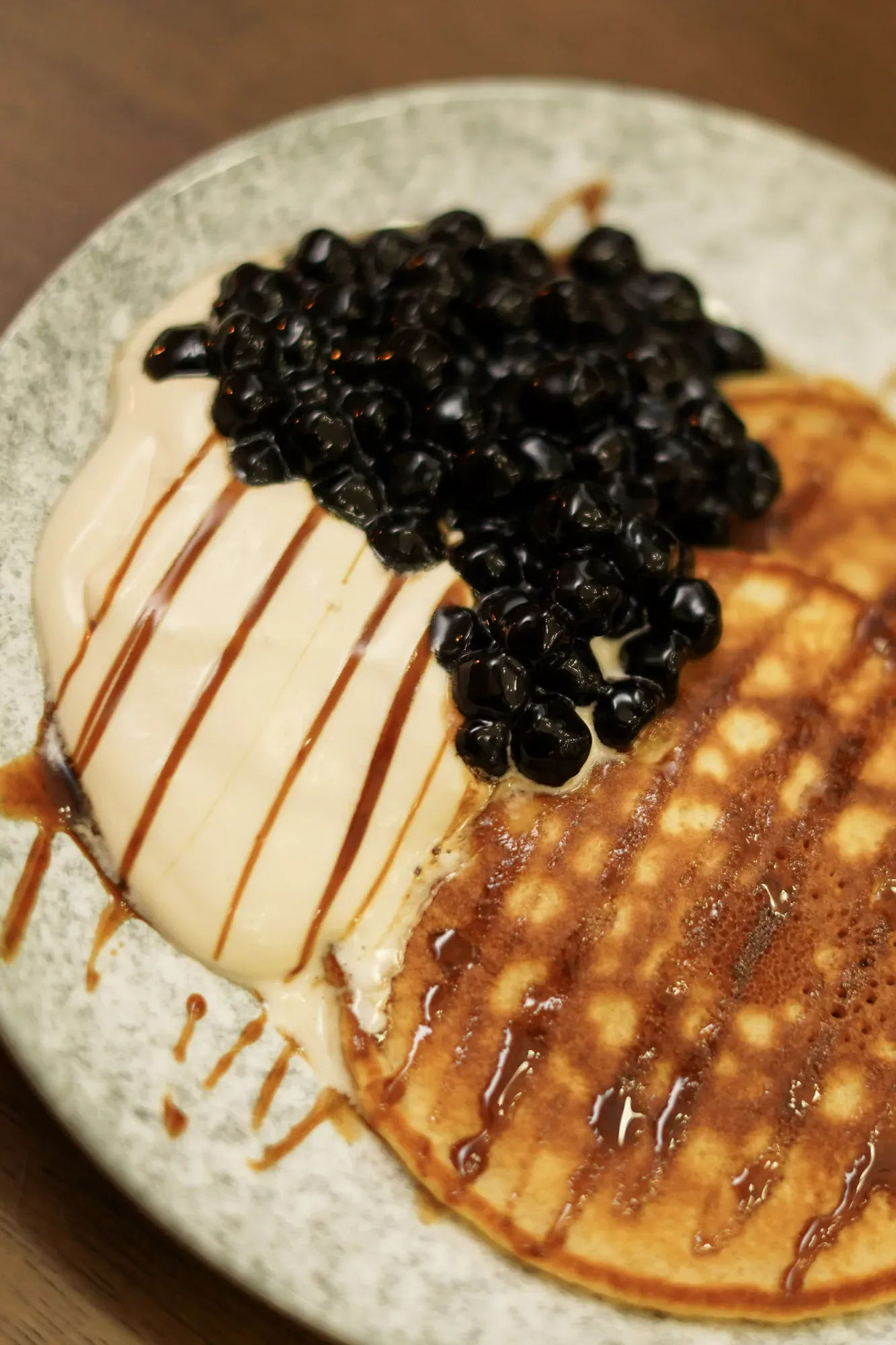
Some treats stay wheat-based: biscuits, waffles, pancakes, sponge cakes and pastries. The pancake with tapioca pearls opposite is the trap — the pearls are gluten-free, the pancake is not.
Toppings matter too: biscuit crumbs, streusel, some flour-thickened caramels. Separate the safe base from its add-ons.
For coeliacs, add preparation: shared tools and surfaces can transfer wheat traces. Say so clearly at the counter.
Start with drinks, almost always safe: a plain tea, or a tapioca-pearl bubble tea without biscuit topping.
For treats, choose rice, tapioca, taro, jelly or fruit; skip the biscuit-waffle-pancake family. Ask calmly about wheat flour, soy vs tamari, and cross-contamination.
Say upfront if you are coeliac rather than gluten-free by choice — the required care is not the same.
One example: a plain high-altitude oolong, one or two rice-flour mochis and a small fresh-fruit jelly.
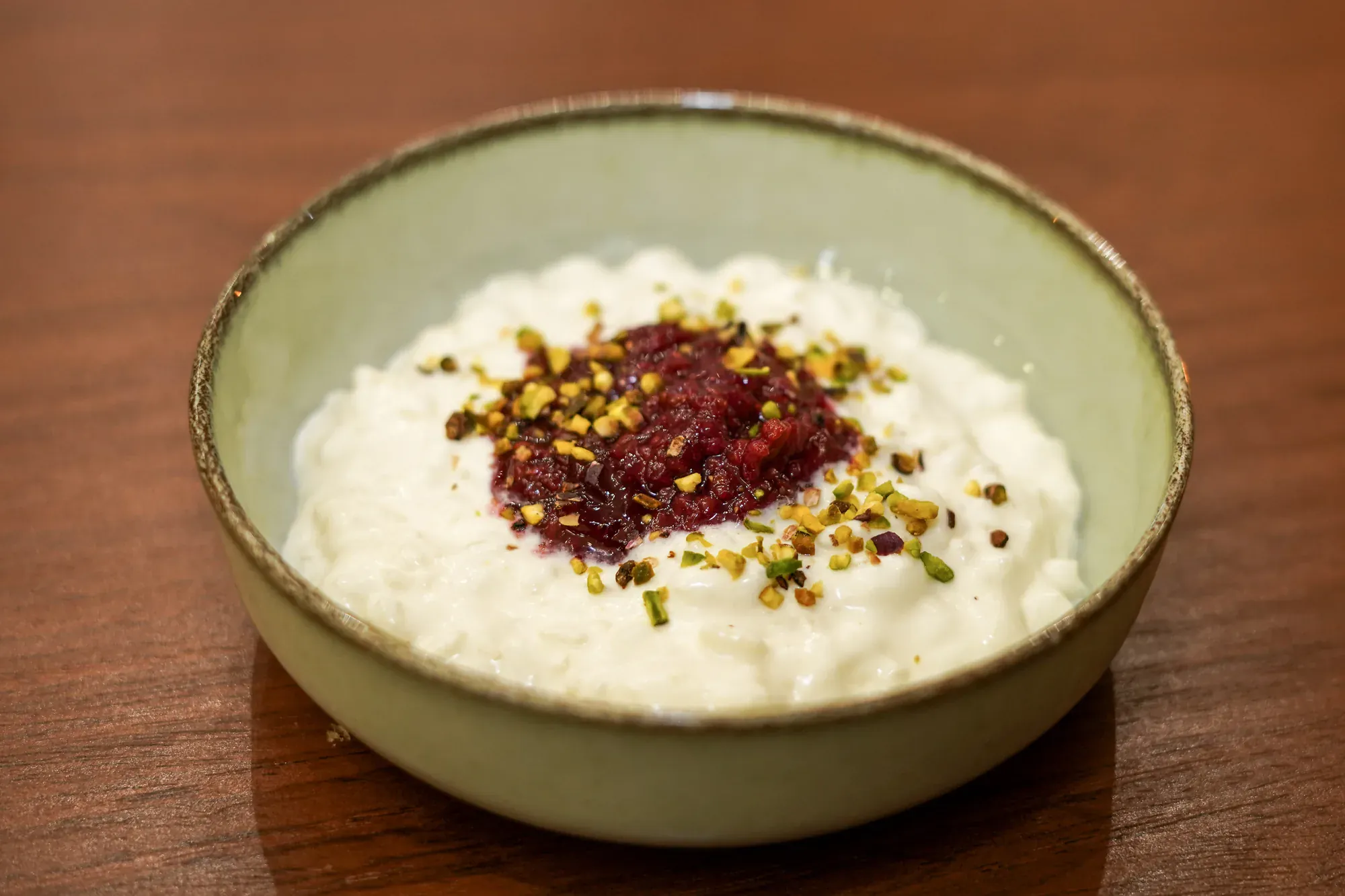
Or a tapioca-pearl bubble tea with creamy taro and a red-fruit rice dessert like the one shown — all starch and fruit, full of texture, no wheat.
Same rule for everyone: don’t overload on sugar. Two well-chosen pieces beat a heavy pile.
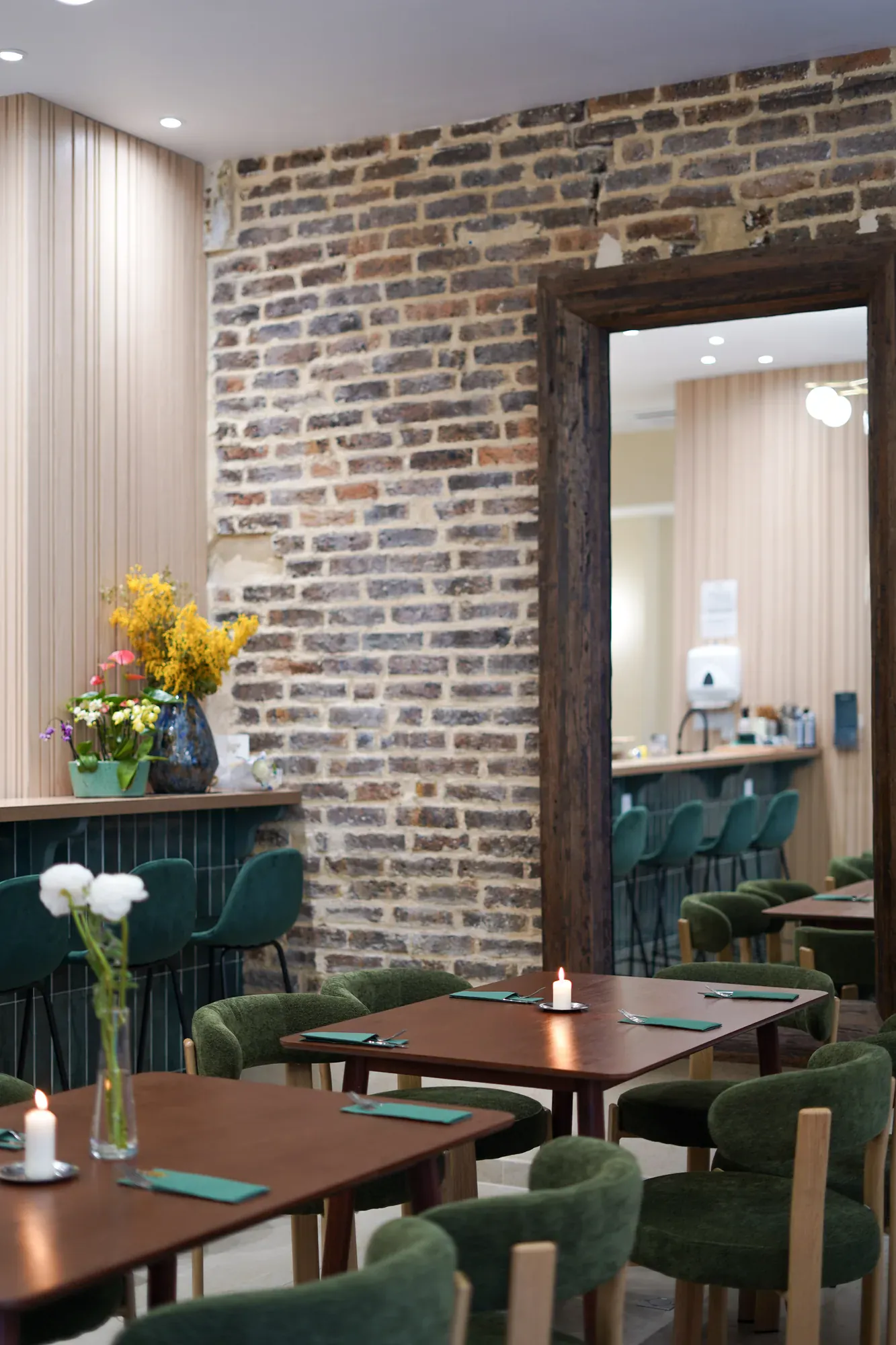
These rice treats are core Taiwanese tradition, found in the city’s tea houses. At Le Tê, by the Palais-Royal in the 1st, tea stays central and rice and tapioca treats go with it.
Best move: come and discover these rice-based treats and ask for advice at the counter. To widen the picture, see our look at Taiwanese street food in Paris, where rice and cassava play a central role.
No. Tapioca is made from cassava starch, unrelated to wheat, barley or rye, so tapioca pearls are naturally gluten-free. Only added toppings and syrups need checking.
Traditionally yes: mochi is glutinous rice, and rice has no gluten. “Glutinous” means the texture. Watch the filling and any wheat flour used to stop it sticking.
Its base is: brewed tea and tapioca pearls contain no gluten. Some syrups, powders or biscuit toppings may — a tea + pearls bubble tea without biscuit topping is fine.
Yes, the real issue for coeliacs. Shared utensils, surfaces or fryers can contaminate a gluten-free recipe. Tell the counter so they can say what they can guarantee.
Classic soy sauce is brewed with wheat and contains gluten. Ask for tamari, a wheat-free version, if a dish uses it.
Yes. A plain tea, a tapioca-pearl bubble tea, a rice-flour mochi and a fruit jelly make a complete, indulgent, wheat-free treat.
Go further
To explore the full range of rice and tapioca treats, see our dedicated guide:
salon de thé sans gluten paris