What is a cocoon tea house in Paris in 2026
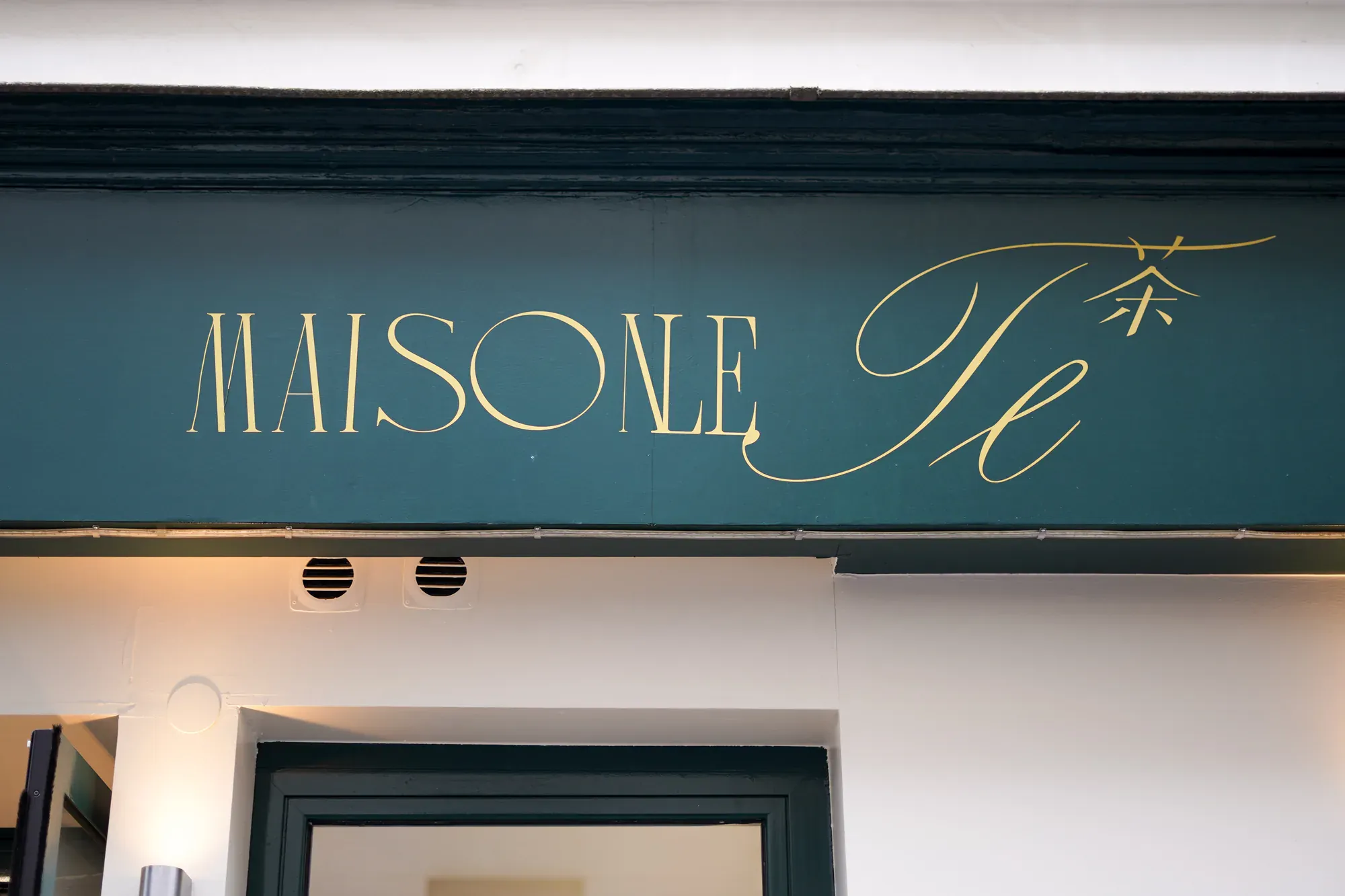
The word cocoon has lost meaning from being used to sell scented candles and fleece blankets. For a tea house, cocoon means something very concrete: low ambient volume, well-spaced tables, warm light, a teapot kept within reach, and no one passing by to say the table is needed. By those criteria, Paris has many coffee shops and very few tea houses that fit. Le Te at Palais-Royal and MAISON LE TE on rue Saint-Maur are two of the rare Paris addresses that genuinely embrace this posture.
Le Te in the 1st arrondissement is the more intimate of the two: thirty seats, under the arcades of the Palais-Royal garden, no car traffic, with a window opening onto pale stone. MAISON LE TE in the 11th is larger and more convivial but keeps a tea-house corner at the back of the room, with the same principles: low music, tables away from the counter, freedom to stay several hours.
Why silence is rare in Paris tea houses
Most Paris tea houses have shifted to a cafe-coffeeshop format: present music, counter vibe, fast table turnover. It comes from the economics of central Paris square meters: to make rent, you push many customers per day. Silence and slow time have become economically hard to maintain. Le Te took the opposite bet. Margin per customer is lower, but regular loyalty compensates: those who come for the cocoon pause return every week, sometimes several times.
High-altitude oolong is served in an individual teapot, with enough water for two or three successive infusions. Each infusion opens different notes: the first is floral and buttery, the second more vegetal, the third more mineral. A ritual that stretches over thirty to forty minutes, no rush.
The cocoon menu: teas, pastries, winter atmosphere
The menu at both houses is built for duration. Teas come in an individual teapot (for two or three infusions) or a larger one for two people. Asian pastries (black sesame, taro, matcha, yuzu) are sized to not overshadow the tea. In winter, hot milky drinks are added: whisked matcha latte, hojicha latte (Japanese roasted tea), oolong latte. For reading lovers, regulars recommend Ali Shan oolong with a black sesame sweet, or hojicha latte with a matcha shortbread. See the full menu on Le Te menu page or MAISON LE TE menu page.
When to come to enjoy the cocoon
Le Te at Palais-Royal is quieter midweek, between 2pm and 5pm, outside school holidays. The perfect slot to settle in for three hours with a book or laptop. MAISON LE TE on rue Saint-Maur is quieter midweek between 3pm and 6pm, and Sunday afternoon after the brunch rush (around 4-7pm). Wifi is available, electrical outlets too. The house does not enforce minimum consumption by hour: a single modest teapot can keep you seated two hours with zero pressure.
Cocoon neighbors: other pages to extend the experience
Our tea house in Paris at Palais-Royal remains the starting point of this cocoon experience. If you want the same in a more restaurant format, see our tea house in the 11th, our tea house near the 10th and canal Saint-Martin and our Japanese tea house alternative. For a romantic date in this atmosphere, the tea house romantic date page suggests couple-oriented options. For those looking to privatize for a quiet event, the tea house private booking page details the available formats. For a calm tasting format in the same spirit, our tea time in Paris: the best addresses page places the Le Te path next to the great Parisian tea times, and our tea time in Paris page describes the ritual itself, its time slots and its tea-and-pastry pairings. Read on the blog: our pick of the best tea houses in Paris and our guide to the benefits of oolong tea.
How to come: addresses and access
Le Te is at 41 bis rue de Montpensier, 75001 Paris (Palais-Royal). Metro Palais Royal - Musee du Louvre (lines 1 and 7), Pyramides (lines 7 and 14), Bourse (line 3). MAISON LE TE is at 136 rue Saint-Maur, 75011 Paris. Metro Goncourt (line 11), Parmentier (line 3). MAISON LE TE open Wednesday to Sunday (closed Monday and Tuesday), Le Te every day except Wednesday, no required reservation for tea alone. For a full tea time with pastry in the quiet zone, better to book via the contact page.
The Taiwanese tea ritual as remedy to Paris bustle
Paris is a fast, loud city. The breaks it offers often look like the city: a counter espresso in three minutes, then off you go. The Taiwanese gongfu cha ritual (the art of brewing tea) proposes the exact opposite: take a teapot, brew once, smell, taste, wait, brew again, compare. A ritual that needs forty minutes, done seated, that slows your breathing. The house does not pour strict gongfu (the teapot is larger, the table less ceremonial), but it keeps the rhythm and the attention. That is what turns a simple tea into a cocoon moment. For matcha lovers, the hojicha latte and bamboo-whisked matcha latte offer a more contemporary version of the same ritual, with a bamboo whisk instead of a teapot.