Summer · night markets
Shaved ice: xue hua bing and baobing
Baobing is shaved ice with toppings; xue hua bing is milk ice shaved into ribbons.
Mango shaved ice rules from May to September. Skip condensed milk for a vegan version.
About baobing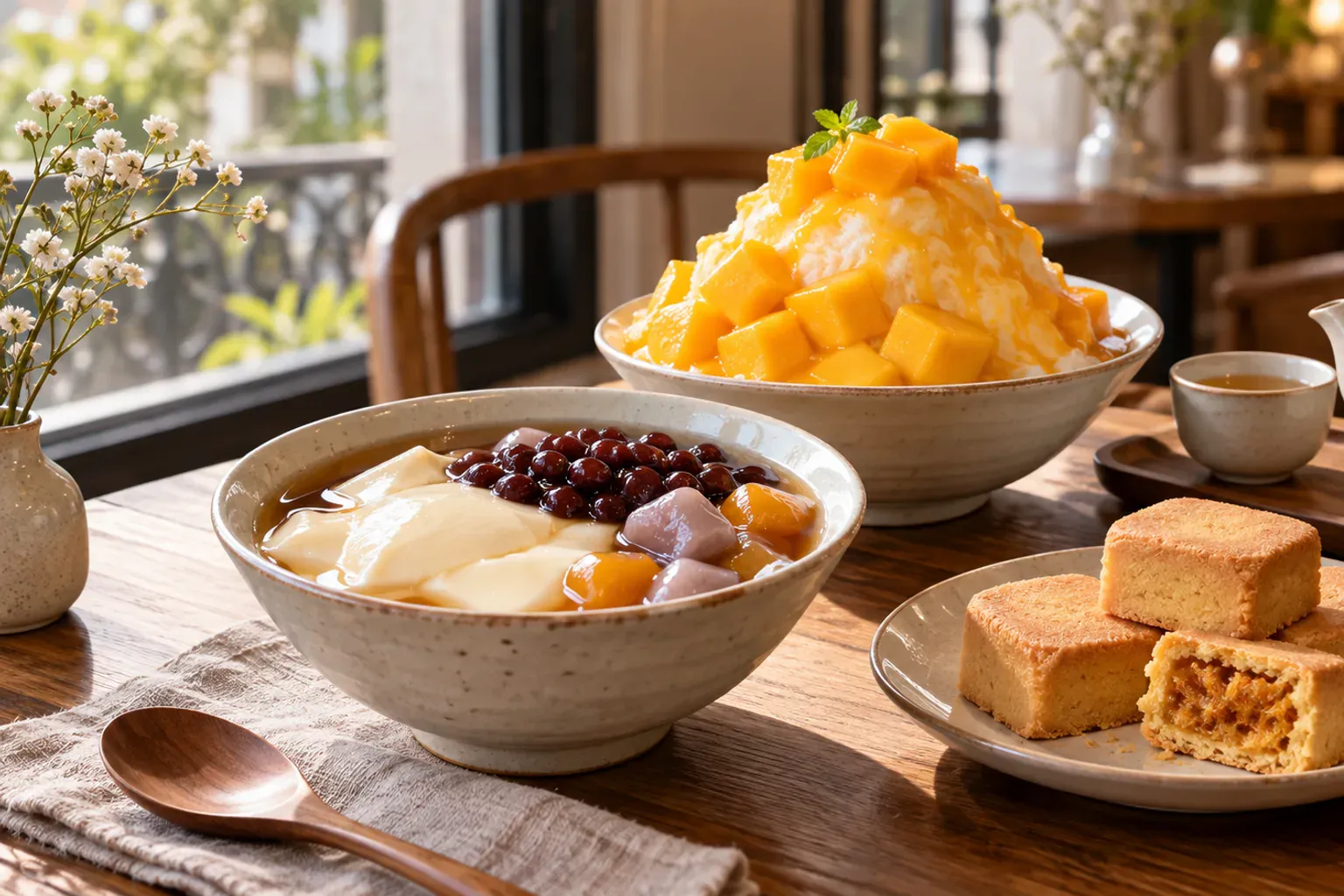
Less sweet, more textured, shaped by seasons and festivals: welcome to Taiwan’s sweet culture.
In short
Taiwanese desserts are defined by texture more than sugar: locals seek “QQ”, a bouncy chew from glutinous rice, tapioca and taro. The main families are iced desserts (shaved ice, aiyu jelly), warm desserts (douhua, tang yuan, taro balls) and take-away pastries (pineapple cake, egg cakes, sun cake, mochi). Many are dairy-free, several wheat-free, but pastries contain flour and butter.
Taiwanese sweets play on texture and gentle flavours — taro, black sesame, red bean — rather than butter and sugar.
The key word is “QQ”: a bouncy, elastic chew. This guide covers origins, seasons and ingredients.
Chinese pastry favours lard and dense fillings, Japanese pastry seasonal precision, French pastry cream and butter. Taiwan borrows from all three but stays less sweet and more textured.
It is a street and everyday culture: desserts are a snack or a seasonal ritual.
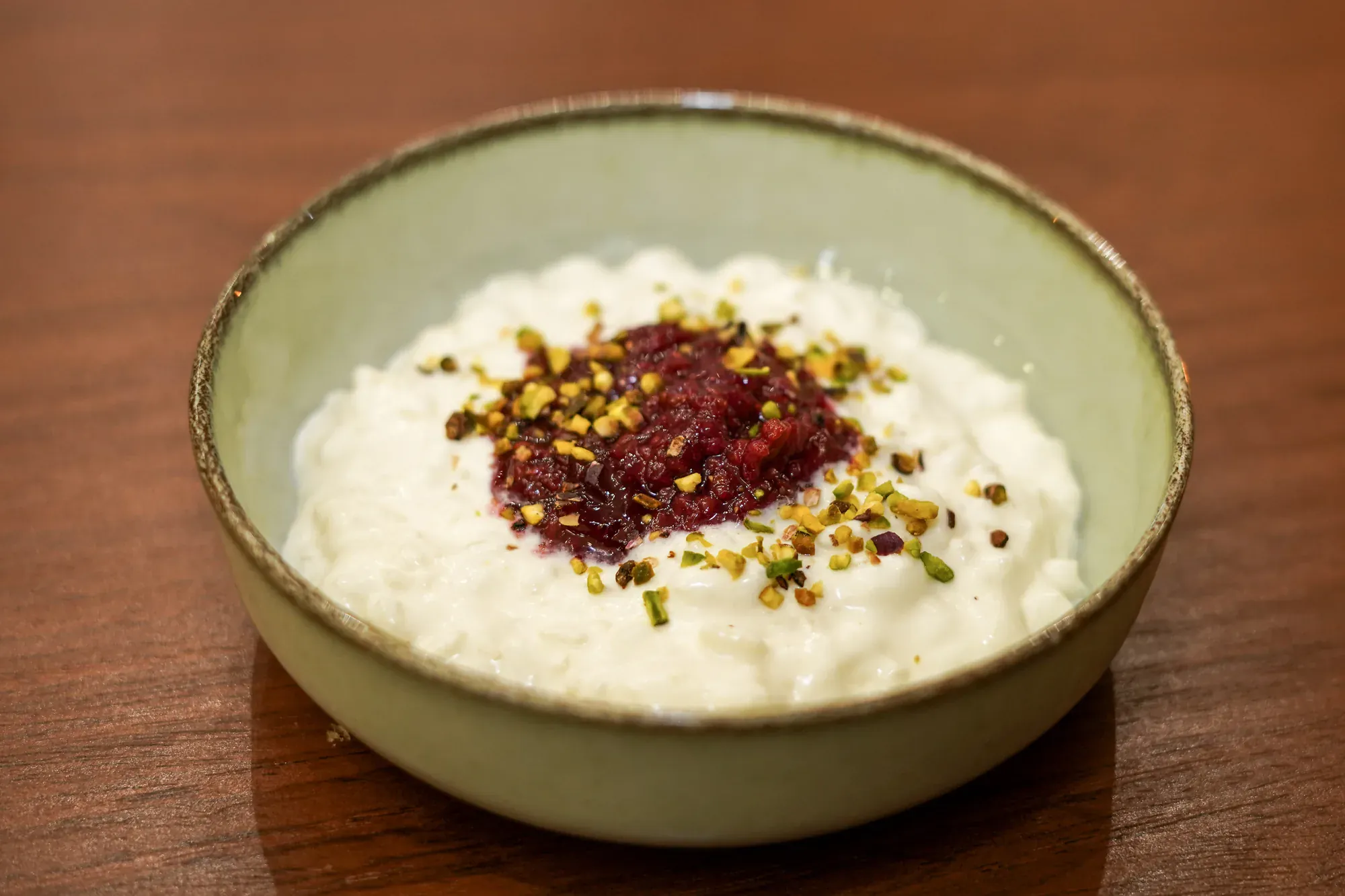
A few ingredients appear everywhere.
Taro
Mild, vanilla-like tuber, turned into purée or balls.
Black sesame
Toasted and ground into a deep, nutty paste.
Brown sugar
Unrefined cane sugar with molasses notes.
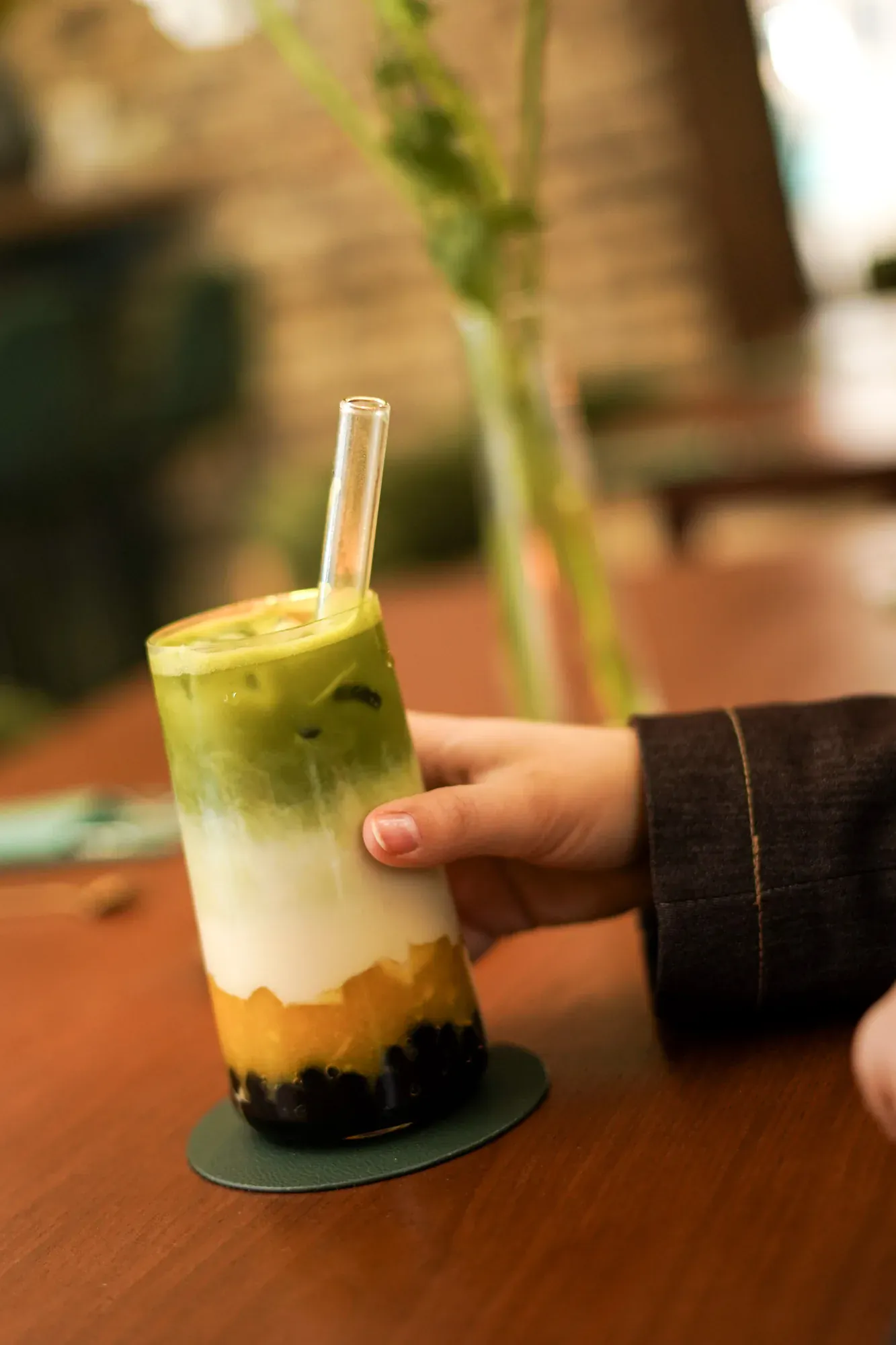
QQ describes a texture that resists then bounces back, like a tapioca pearl.
Starches — glutinous rice, tapioca, sweet potato — create it without butter or cream.
Give a QQ dessert a few chews before judging it.
Long, hot summers made iced desserts an institution.
Summer · night markets
Baobing is shaved ice with toppings; xue hua bing is milk ice shaved into ribbons.
Mango shaved ice rules from May to September. Skip condensed milk for a vegan version.
About baobingSummer · endemic to Taiwan
A jelly made from the seeds of a creeping fig found only in Taiwan, served with lemon.
Naturally vegan and gluten-free.
About aiyuThese belong to night markets, covered in our Taiwanese street food article.
In winter, steaming bowls in ginger or peanut syrup take over.
Many exist iced in summer and hot in winter.
All year
Silky tofu in ginger syrup, topped with peanuts or red bean.
Naturally vegan if the syrup is dairy-free.
Douhua on WikipediaLantern Festival · winter solstice
Glutinous rice balls, plain or filled with black sesame or peanut.
The dough is vegan; check fillings for lard.
Tang yuan on WikipediaAll year · Jiufen
Chewy balls of taro or sweet potato with tapioca starch.
Usually vegan and gluten-free.
Most contain wheat, eggs and butter.
Buttery shortbread with pineapple jam, the classic souvenir.
Pineapple cake on WikipediaTaiwanese mochi is rustic, rolled in peanut powder; daifuku is smooth and filled with anko.
See our page on mochi and its variations.
Little egg sponges cooked in cast-iron moulds at night markets.
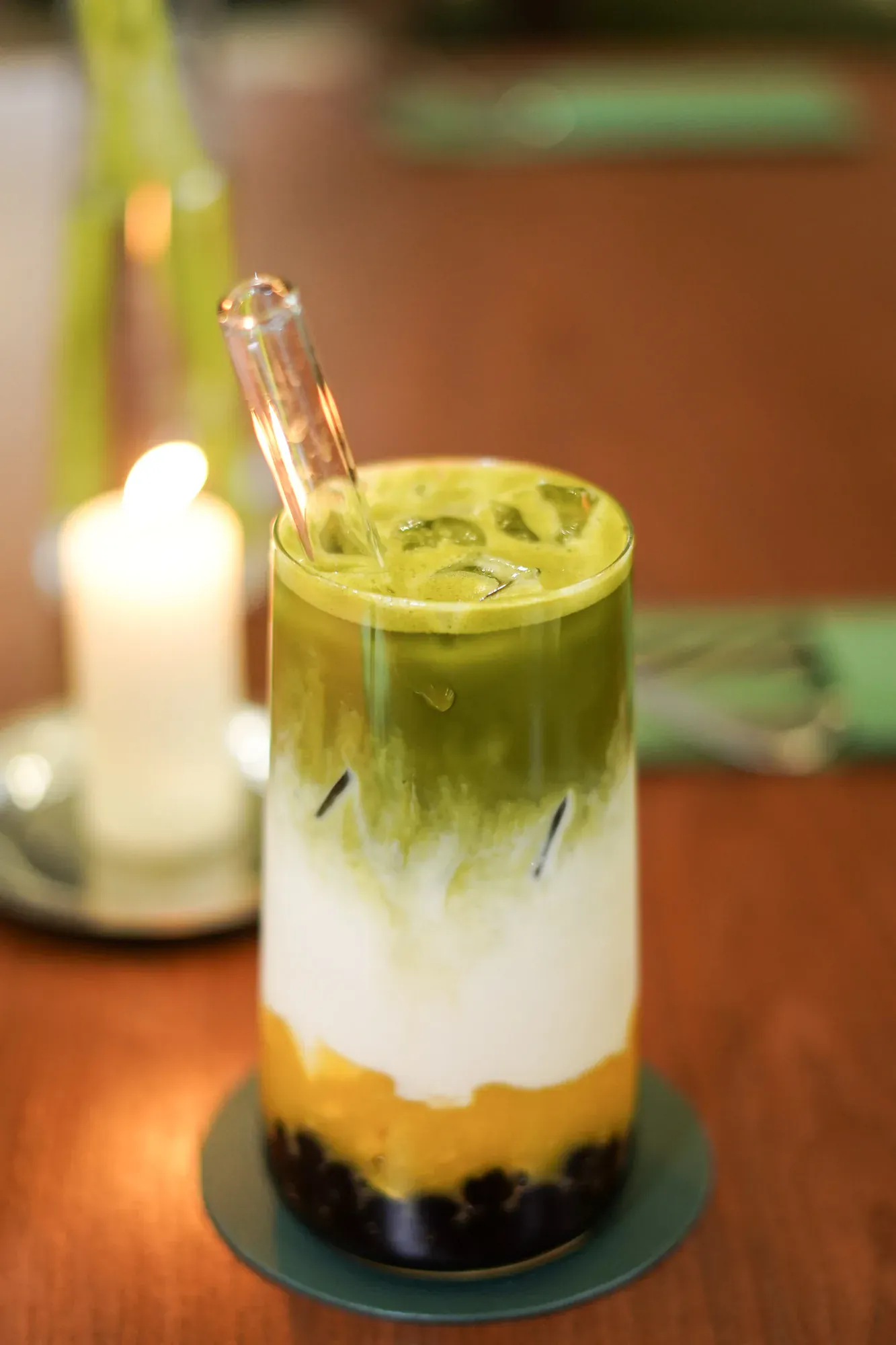
Born in Taiwan in the 1980s, bubble tea can be a dessert: brown sugar milk with warm pearls is the showpiece.
Taro milk and taro purée play the same role. For toppings, read which bubble tea to choose.
In Taiwan, desserts follow the calendar.
Lantern Festival
Tang yuan with black sesame or peanut.
May to September
Mango shaved ice, aiyu, iced douhua.
Winter solstice
Red and white tang yuan in ginger syrup.
Aiyu, douhua, plain tang yuan and taro balls are usually vegan; watch for condensed milk, lard and butter.
For gluten, see our guide to the gluten-free tea house in Paris.
Three simple pairings.
High-mountain oolong
+ Pineapple cake
Floral notes balance the jam.
Sun Moon Lake black tea
+ Black sesame
Malty notes match toasted sesame.
Jasmine tea
+ Mochi
Light florals suit rice sweetness.
Read our guide to oolong and its benefits.

For an overview, see our page on Taiwanese pastries and our guide to Taiwanese specialities.
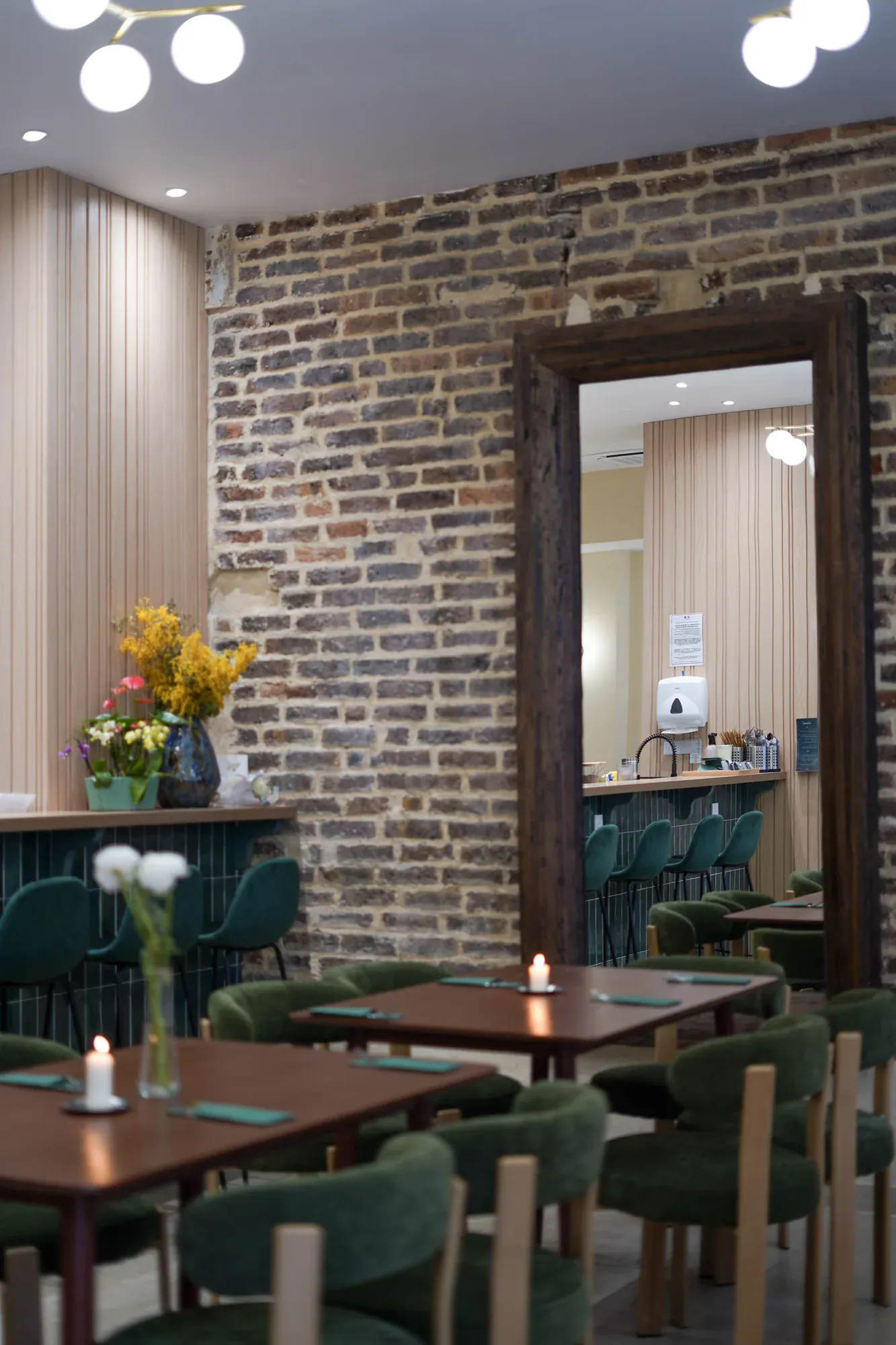
MAISON LE TÊ (11th) serves Egg Cakes with brown sugar or black sesame Chantilly, and French toast with black sesame Chantilly.
Le Tê (Palais-Royal) pairs Egg Cakes with a drink and offers taro and brown sugar drinks. The menu changes with the seasons.
No, usually less than French pastry; texture matters more.
Rice, soy and tapioca desserts often are; pineapple cake and egg cakes are not. See our gluten-free guide.
A bouncy, elastic chew, like tapioca pearls.
Taiwanese mochi is rustic, rolled in peanut; daifuku is smooth and filled with anko.
Pineapple cake as a souvenir, mango shaved ice in summer.